

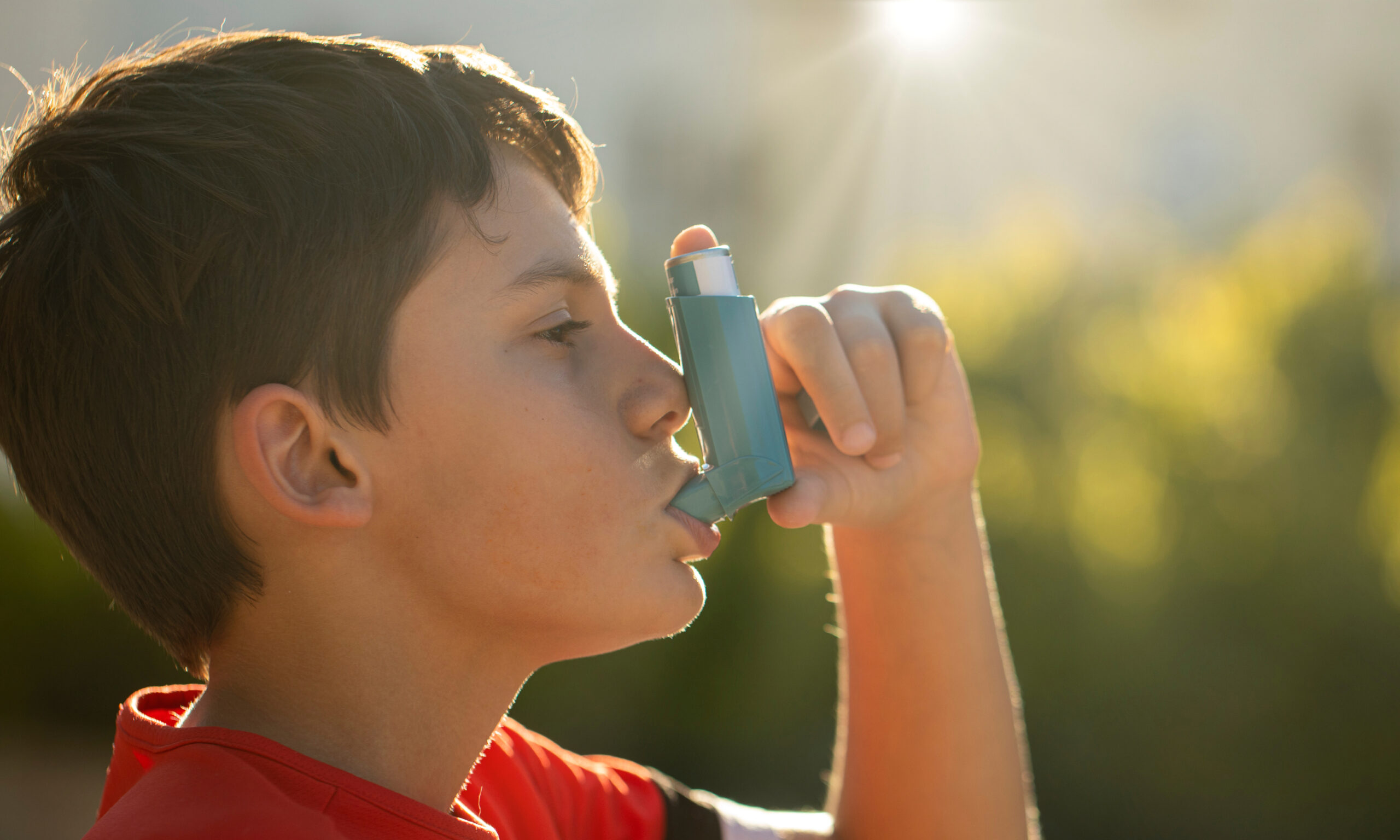

Having a child with asthma can be challenging, requiring vigilance to keep your child comfortable and safe. When it’s back to school time, it’s particularly important to ensure that their asthma is under control and to take steps to keep them safe at school.
Why Back-to-School Is an Important Time for Asthma Management
When your child goes back to school, you will not be there to protect them, so it’s important that they know what to do if they have a flare up, and that teachers and school staff are also informed about your child’s asthma. At school, your child will be exposed to asthma triggers, such as physical activity and communicable illnesses, so being prepared for flare ups is key. Part of that preparation is ensuring that your child’s Asthma Action Plan is up-to-date and that you have sufficient asthma medication supplies.
Signs Your Child’s Asthma May Not Be Under Control
Recognizing the signs that your child’s asthma may not be under control is important so that you can take steps to manage it before they go back to school. Signs include:
- Frequent coughing, wheezing, or shortness of breath
- Needing a rescue inhaler often
- Nighttime asthma symptoms disrupting sleep
- Avoiding activities due to breathing issues
Managing Your Child’s Asthma
Managing your child’s asthma involves multiple layers of action.
- Follow your child’s Asthma Action Plan, which means:
- Keeping track of their medications and ensuring that they take them at the right times
- Knowing what to do when symptoms become worse
- Recognizing emergency warning signs
- Know your child’s asthma triggers, which may include:
- Pollen and seasonal allergies
- Dust mites and mold
- Pet dander
- Smoke or strong odors
- Respiratory infections like colds or flu
- Exercise
- Cold air
- Monitor symptoms by watching for:
- Frequent coughing, especially at night
- Wheezing or shortness of breath
- Increased use of a rescue inhaler
- Difficulty keeping up with normal activities
- Encourage healthy habits such as:
- Regular physical activity
- Good sleep habits
- Staying hydrated
- Handwashing to reduce illness exposure
- Schedule regular checkups which may involve:
- Adjusting medications
- Monitoring lung health
- Reviewing symptom patterns
Common Back to School Time Asthma Triggers
You should be aware of what kinds of triggers your child may be exposed to at back-to-school time. These may include:
- Seasonal allergies and fall pollen
- Colds, flu, and other respiratory illnesses
- Exercise-induced asthma symptoms during recess and sports
- Dust, mold, and other classroom irritants
Back to School Asthma Checklist
Back to school time means taking some extra steps to keep your child’s asthma under control.
- Make sure your child is up to date on all vaccinations, particularly from diseases that can affect the lungs like whooping cough and the flu.
- Review your child’s Asthma Action Plan with their pediatrician.
- Share your child’s Asthma Action Plan with their teachers and the school nurse.
- Fill out any required school forms that ensure that your child has access to their medications at school. Make sure that their inhalers are not expired.
- Label all the medications that will be at the school or with your child with their name.
- Make sure the school staff know what to do in case of emergency and find out their asthma policies. For example, is your child allowed to carry their inhaler with them? What steps does the school take if your child experiences asthma symptoms?
- Make sure that your child knows to inform their teachers if they experience symptoms.
- Teach your child healthy habits to avoid illness, such as keeping a distance from anyone who appears to have respiratory symptoms and washing or sanitizing their hands frequently.
Warning Signs Your Child May Need Additional Asthma Treatment
Sometimes asthma symptoms continue in spite of medications, which may indicate that their current treatment plan needs to be adjusted. One of the most common warning signs is relying on a rescue inhaler more often than usual. If your child frequently needs quick-relief medication to get through the day, it could mean their asthma is not fully under control.
Parents should also pay attention to ongoing coughing, wheezing, chest tightness, or shortness of breath, especially if these symptoms interfere with sleep, school, exercise, or other activities. Nighttime symptoms are particularly important to watch for because waking up coughing or struggling to breathe can signal increasing airway inflammation.
Frequent asthma flare-ups, urgent care visits, or missed school days may also point to the need for stronger preventive treatment or an evaluation of triggers.
If symptoms continue despite following the treatment plan, it’s important to schedule a follow-up appointment with your child’s pediatrician. Adjusting medications, reviewing inhaler technique, or identifying hidden triggers can often help improve symptom control.
In Closing
Protecting a child who has asthma is particularly important when it’s time to go back to school. If you need assistance controlling your child’s asthma and don’t have a pediatrician, the providers at Health Service Alliance can help. We are dedicated to providing compassionate, personalized, and accessible care regardless of your ability to pay. Reach out today to learn more.



