

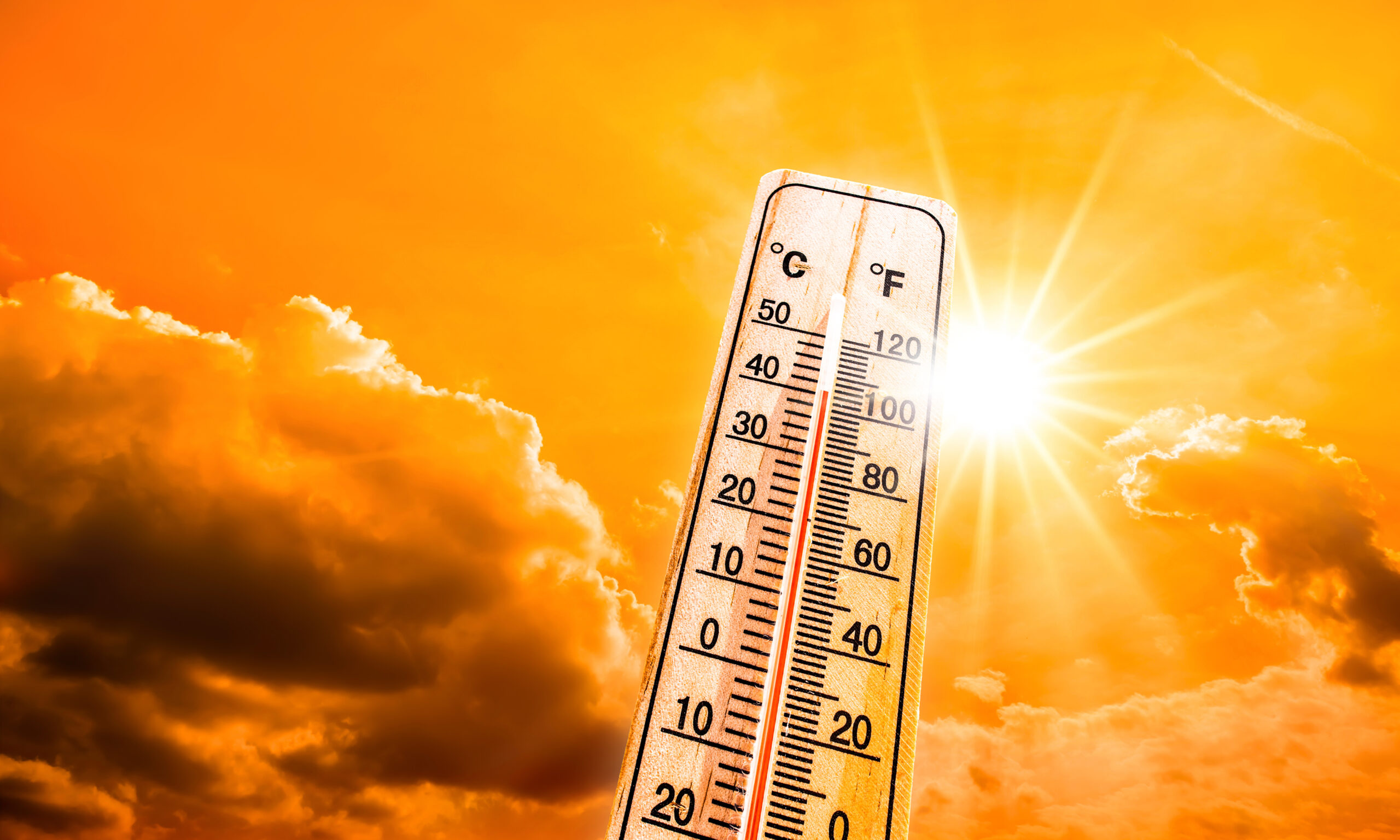

Summer is full of fun outdoor activities, from sports to fairs to festivals, but in the hot temperatures, fun can turn into heat illness if you don’t take protective measures. It’s important to know how to protect yourself from heat-related illnesses, and the warning signs that require immediate action.
Types of Heat Illness
Heat-related illnesses fall along a spectrum, ranging from mild discomfort to life-threatening emergencies. They include:
- Heat rash: The mildest form of heat illness, heat rash occurs when sweat gets trapped under the skin, causing small red bumps, itching, or a prickly feeling. This usually happens when humidity is high.
- Heat cramps: Heat cramps are painful muscle spasms, usually in the legs or abdomen, caused by heavy sweating that depletes the body of fluids and electrolytes.
- Heat syncope: Characterized by fainting or feeling lightheaded in the heat, often after standing for long periods, or when suddenly standing up, as blood flow temporarily drops.
- Heat exhaustion: Heat exhaustion is more serious and occurs when the body loses too much water and salt, leading to heavy sweating, weakness, nausea, headache, dizziness, and cool, clammy skin.
- Heatstroke: Heatstroke is the most severe and dangerous form of heat illness. When it occurs, the body can no longer regulate its temperature. Core temperature rises rapidly, sweating may stop, and confusion, seizures, or unconsciousness can occur. This is a medical emergency requiring immediate treatment. Severe consequences can include brain damage, muscle damage, and organ failure.
Warning Signs of Heat Illnesses
General warning signs of heat illness include:
- Extreme sweating
- Fatigue
- Dizziness or lightheadedness
- Weakness
- Increased heart rate
- Nausea or vomiting
- Muscle cramps
Signs of heat stroke include:
- Heavy sweating or dry skin that is very hot
- Confusion
- Rapid heart rate
- Slurred speech
- Seizures
- Unconsciousness
Preventing Heat Illnesses
Preventing heat-related illnesses starts with staying hydrated. Your body relies on fluids to regulate temperature through sweat, so drinking water even before you feel thirsty is key. Adding electrolyte-enhanced drinks can also help by replacing the salts lost through sweating. Limiting alcohol and caffeine drinks is also important.
Dressing properly for the heat can also limit your risk. Lightweight, loose-fitting clothing made from breathable fabrics allows sweat to evaporate, which helps cool your body. Light-colored clothing reflects sunlight rather than absorbing it, and wide-brimmed hats or sunglasses can reduce direct sun exposure and protect your face and eyes.
You should also stay out of the peak heat of the day, if possible, which is late morning through mid-afternoon. Plan outdoor activities in the early morning or evening, and if you do need to be outside during hotter hours, take frequent breaks in shaded or air-conditioned spaces.
In extreme heat, stay in air-conditioned buildings if you can. If you don’t have air conditioning, use fans, take cool showers, or visit public places like libraries or cooling centers. Also, never underestimate how quickly parked cars can heat up to dangerous temperatures.
Don’t ignore early warning signs of heat illness. Hydrate and get to a cool place immediately. Children, older adults, and people with chronic health conditions are particularly at risk, so keep an eye on those around you.
Treating Heat Illnesses
Treatment for heat-related illnesses depends on how severe the symptoms are, but the goal is always to lower body temperature, restore fluids, and prevent the condition from getting worse.
For heat rash, you can simply go to a cool place and keep your skin dry. Loose clothing and cooling with a fan or a cold pack or compress can help with the irritation to your skin.
If you have heat cramps, you need hydration and electrolytes. Rest in a cool place, drink water or an electrolyte beverage, and stretch or massage the areas that are cramping. When symptoms go away, don’t get back in the heat or start activities too soon, or your cramps may return or get worse.
For heat syncope (fainting), the affected person should lie down in a cool area and elevate their legs to improve blood flow to the brain. Sipping fluids once awake can help to stabilize them and prevent further fainting.
Heat exhaustion requires a bit more action. Get to an air-conditioned or shaded space, lie down, and remove excess clothing. Cool your body with damp cloths, fans, or a cool shower, and take slow sips of water or electrolyte drinks. If symptoms last longer than about an hour, get worse, or include vomiting, get medical attention right away.
Heatstroke is a medical emergency, so call 911 immediately. While waiting for help, move the person to a cooler place and begin rapid cooling using cold water, ice packs on the neck, armpits, and groin, or a cool bath if possible. Do not give fluids if the person is unconscious or confused.
In Closing
Heat illness can become severe, so it’s important to know the warning signs, although prevention is your best bet. If you experience early signs of heat-related illness, Health Service Alliance is here to help. We are dedicated to providing compassionate, personalized, and accessible care regardless of your ability to pay. Reach out today to learn more.



