

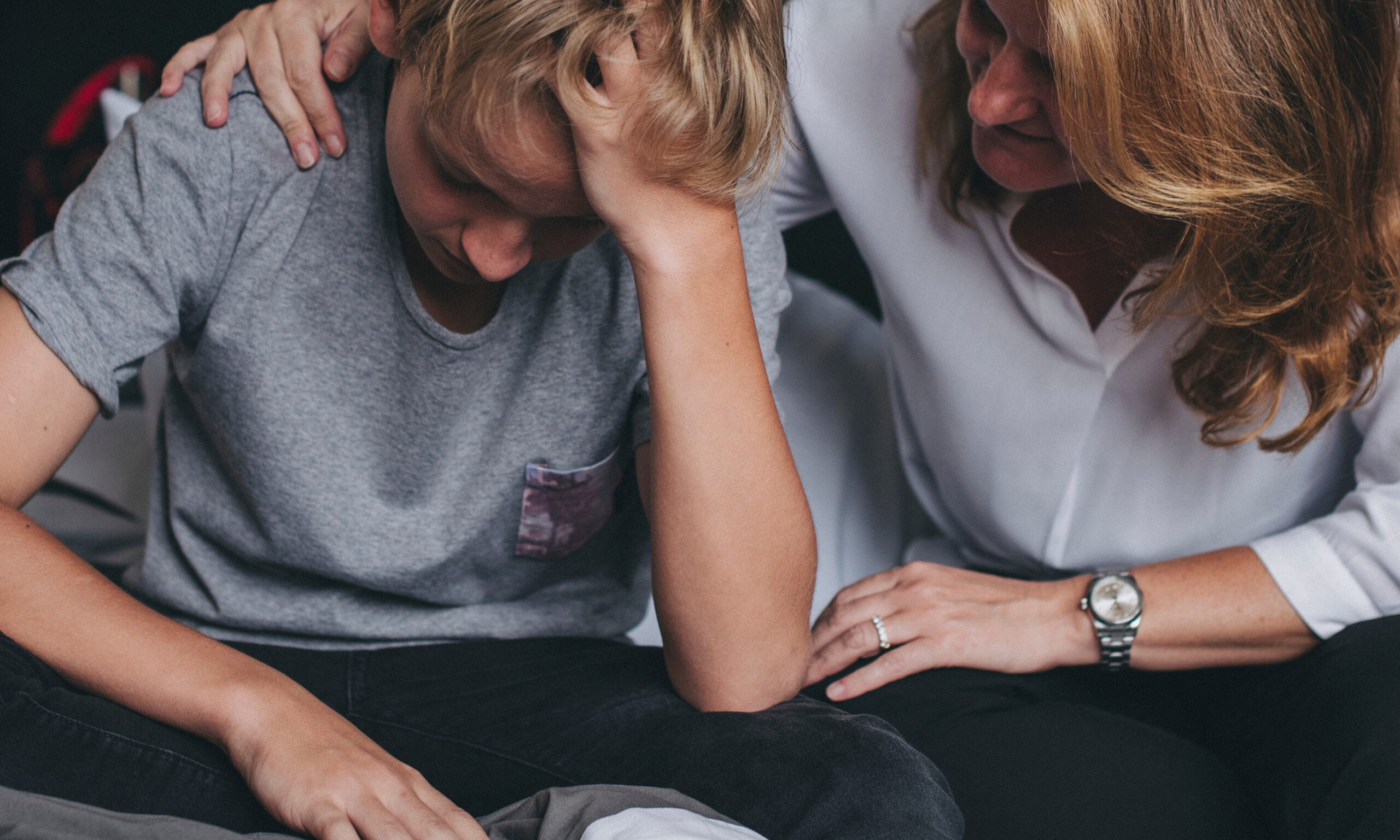

Anxiety and depression are common in children, particularly adolescents. These conditions, if untreated, can continue to affect them in adulthood. It’s important for parents to know the signs of anxiety and depression to watch for in their children so that they can get them the help that they need.
Signs of Anxiety in Children
Anxiety is characterized by persistent worrying or fear that interferes with daily functioning. Young children often have fears and worry about specific things, and those feelings are normal, but when these feelings persist as they get older, they may have an anxiety disorder. Anxiety disorders are categorized into several types of disorders.
- General anxiety disorder: Characterized by excessive worry that interferes with normal functioning and does not have a specific cause.
- Separation anxiety disorder: Fear when the child is away from parents, or fearing getting separated from their parents.
- Social anxiety disorder: Fear of places where there will be people, such as school.
- Panic disorder: Recurring episodes of extreme fear, often causing physical symptoms such as a rapid heart rate, shaking, sweating, or having trouble breathing.
- Phobias: Excessive fear about a specific thing or place.
Signs of anxiety to watch for include:
- Increased clinginess or difficulty separating from parents or caregivers
- Frequent meltdowns or becoming easily overwhelmed
- Avoidance of school, activities, or social situations
- Constant need for reassurance (“Am I okay?” “Is this safe?”)
- Unexplained physical complaints like stomachaches or headaches
- Trouble falling asleep, nightmares, or disrupted sleep
- Irritability, mood swings, or heightened sensitivity
- Difficulty concentrating or seeming easily distracted
- Restlessness or inability to relax
- Expressing excessive or unrealistic fears
- Sudden changes in behavior or routine
- Trouble explaining feelings
Signs of Depression in Children
Depression is a disorder characterized by persistent sadness or hopelessness. Signs to watch for include:
- Persistent sadness or frequent tearfulness
- Loss of interest in activities they once enjoyed
- Low energy or constant fatigue
- Changes in sleep (sleeping too much or having trouble sleeping)
- Changes in appetite (eating more or less than usual)
- Irritability, frustration, or frequent anger outbursts
- Withdrawal from friends, family, or social activities
- Difficulty concentrating or decline in school performance
- Feelings of worthlessness, guilt, or low self-esteem
- Physical complaints like headaches or stomachaches without clear cause
- Slowed movements or lack of motivation
- Talking about feeling hopeless or expressing negative thoughts
Treating Anxiety and Depression in Children
If you are concerned about your child’s mental health, the first step is to speak with your child’s pediatrician. They can offer advice and refer you to a mental health professional who can assess your child, make a diagnosis, and create a treatment plan.
Treatment may include medications, like antidepressants, as well as therapy. A common therapy used to treat mental health disorders in children is cognitive behavior therapy (CBT). This type of therapy helps children understand how their thoughts, feelings, and behaviors are connected. They learn practical tools to manage worry, challenge negative thinking, and handle difficult emotions in a healthier way. For younger children, therapy may include play-based techniques to help them express feelings they can’t put into words.
Family therapy may also be included in the treatment program so that you can learn how best to support your child and help them to manage their symptoms. It’s also a good idea to speak with your child’s guidance counselor and teachers about your child’s issues so that they can offer emotional support.
What Parents Can Do
- Create a sense of safety and routine
Consistent daily routines and a calm home environment help children feel secure, which can reduce anxiety and feelings of being overwhelmed. - Encourage open, judgment-free conversations
Let your child talk about their feelings without fear of criticism or dismissal, even if their worries seem small or hard to understand. - Listen more than you fix
Instead of rushing to solve the problem, focus on truly hearing your child. Make them feel understood. - Validate their emotions
Acknowledge that their feelings are real and important, which helps build trust and teaches them that emotions are okay to express. - Model healthy coping skills
Children often learn by example, so showing how you handle stress calmly can teach them effective ways to manage their own emotions. - Encourage small, manageable steps
Help your child face challenges gradually rather than avoiding them completely, building confidence over time. - Support healthy habits
Regular sleep, balanced meals, and physical activity can have a strong impact on mood and overall emotional well-being. - Limit pressure and unrealistic expectations
Reducing stress around school, activities, or performance can help prevent feelings of overwhelm and failure. - Celebrate effort
Recognizing small wins and progress helps build self-esteem and motivation.
In Closing
Recognizing the signs of anxiety and depression in children enables you to intervene early and get them the help and support they need. If you are concerned about your child’s mental health, the professional providers at Health Service Alliance can help to assess and treat your child. We are dedicated to providing compassionate, personalized, and accessible care regardless of your ability to pay. Reach out today to learn more.



